
Mary Bostwick Shellman: From Civil War to Suffrage
Welcome to November 1920.
Mary Shellman is busy packing up her room and reminiscing on her life in Westminster. First, she has to help women learn about voting downstairs in her “Instruction Room.” While she is gone, take some time to learn how she cared for soldiers during the Civil War, worked hard for women’s right to vote, and was always finding ways to help her community. Her story shows us that one person can make a big difference in the world.
Explore Mary Shellman's Story With A Virtual Tour!
CIVIL WAR
Mary Shellman, who lived through the Civil War as a teenager in the divided border state of Maryland, devoted her life to honoring both its veterans and fallen, and helping her community remember their sacrifices.
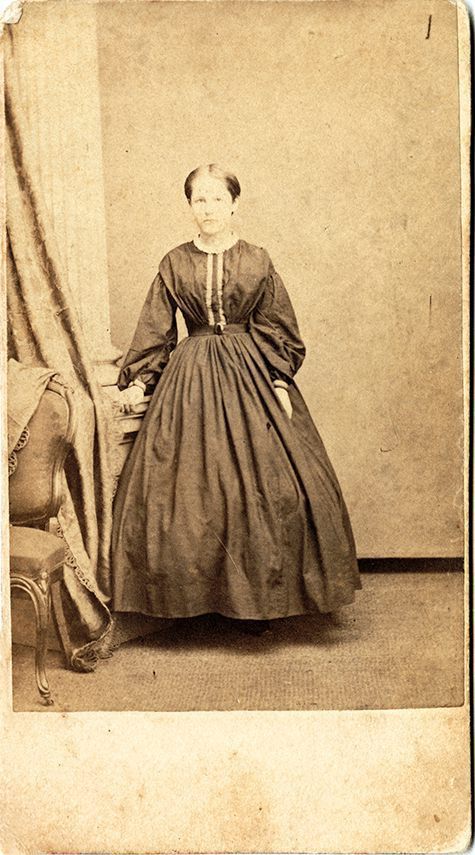
Mary Bostwick Shellman, Age 13 in 1863
This picture of Mary was taken in 1863, when she was 13 years old. Despite her youth, Mary cared for dying soldiers at the hospital across the street. This experience shaped her life and she would dedicate much of her energy to remembering the Civil War dead and aiding veterans.

Mary Bostwick Shellman’s 1864 School Composition Book
In her 1864 School Composition Book, Mary boldly wrote a letter to Jefferson Davis, the President of the Confederacy, denouncing him as a traitor and calling herself his “bitterest enemy.” Her words were especially powerful, as her own family was divided — her sister supported the Confederacy.
Letter to Jeff Davis, President of the so called Confederacy
Jeff Davis
Sir,
I have no doubt you will be surprised to receive a little poem so insignificant a creature as me, but insignificant or not I consider myself far superior to you or any of your traitor followers. Well my old fellow, I do not mean to quarrel with you, I only want to give a little good advice where it is needed. They call you President, do they? What are you, President of? The Southern Confederacy, I think I hear you say, Ha! Ha! Confederacy indeed! Now Daddy Jeff, or any thing else your honour (sp) (or dishonor) I should say, please to call yourself. I am a very free spoken young lady and as I said before I want to give you a little good advice. (For I don’t suppose you get any advice at all, except what Satan or some of his imps whisper in your ear).
I think, considering you are such a traitor, that you ought to be put on very low diet from the present time. To the day of your execution; the rope is already made and the gallows being prepared; if you do as I said, the hanging will not go so hard with you. There is one thing, “please your honor” that I am afraid of and that is you will poison yourself or find some way to take your departure before we are ready for you to do so. Well I guess I had better put off my advice until the last and give you some of the news in this quarter of the country. To being, Abraham Lincoln is the President of the United States. I’m not ashamed of my ruler, I honor him, what if he did ‘split rails’ it was only an honest employment, and speaks so much the better for him. I wonder if you, or any of your followers, ever raised your hands to any thing honey. I doubt it.
I have a sister, who like yourself is a “traitor to her county,” she sends her unbounded respect. …
….
I never expect to meet you and never wish to, but I hope most sincerely that I shall reach Washington in time to see you hang. I don’t pity you one bit, if you had been an honest railsplitter, like my honored President, you would not have been where you are, and I sing with all my heart “Hang Jeff Davis on a low apple tree.”
From your bitterest enemy,
Mary B. Shellman
of Westminster
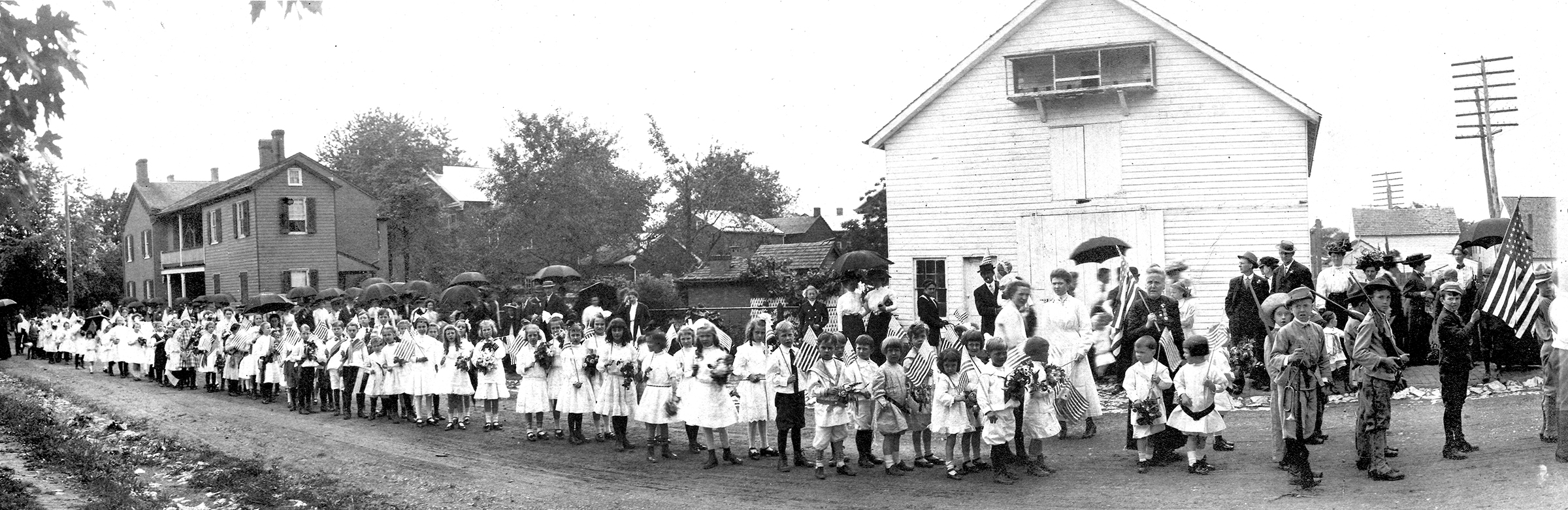
Memorial Day Parade, Westminster, 1910
Children from Carroll County, dressed in white, prepare to carry flowers and flags to the Westminster cemetery. Mary Shellman began this tradition shortly after the Civil War, saying she did so “as no one seemed to take the initiative.” In the photo, Mary stands in a black dress behind the youngest children, while her Boy Scout troop proudly leads the way.
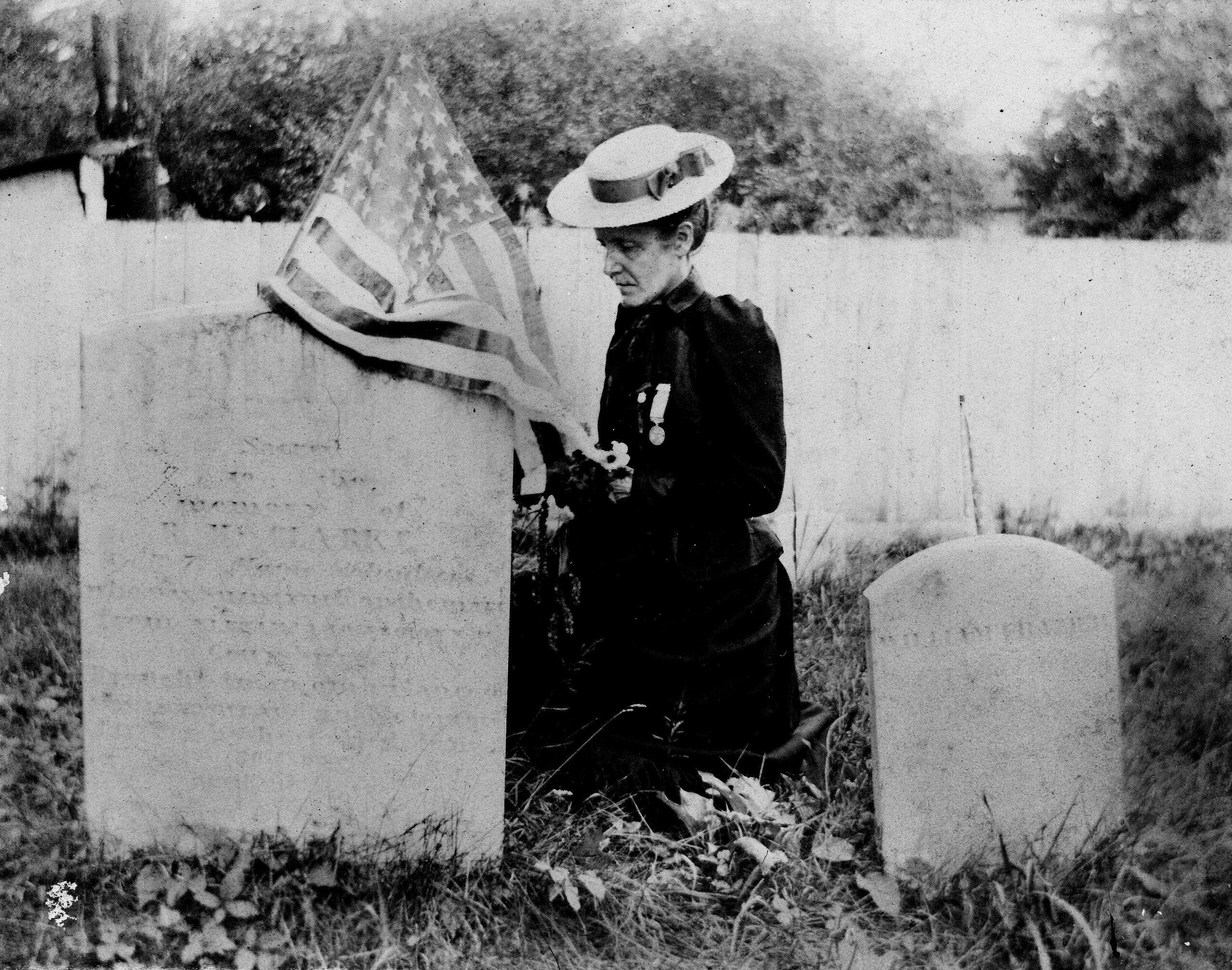
Mary Bostwick Shellman visiting the grave of Lt. R.H. Clark
Mary Bostwick Shellman decorates the grave of Lt. R.H. Clark of the 7th Maine Volunteers on Memorial Day, 1890. Lt. Clark died from sunstroke on the march from Virginia to Gettysburg on July 1, 1863. As a young nurse, Mary “sat and fanned him” in his final moments. He was laid to rest in a plot Mary had set aside at Westminster Cemetery for soldiers who had no family to claim them.
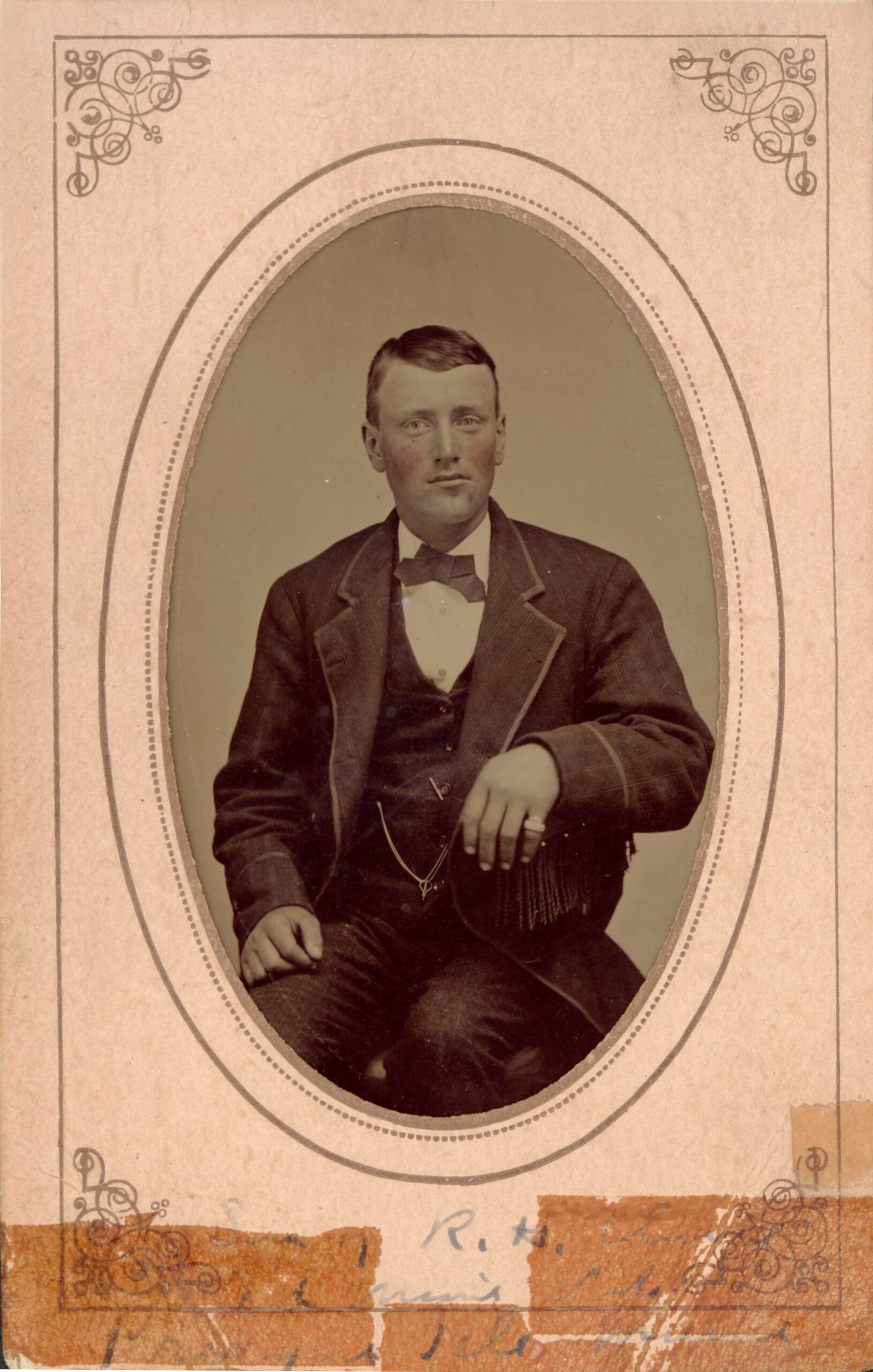
Tintype of Henry Gilbert Clarke
Mary Shellman never forgot the people she helped during the Civil War. She comforted a Union soldier named R.H. Clark as he died from sunstroke. In his final moments, he called Mary by his young son’s name, Henry. Mary not only paid for Clark’s burial, but also found his son, who later sent her this photo of himself around 1880.

Fraternal Medal commemorating the 6th Massachusetts Regiment.
The “Old Sixth” Massachusetts regiment was the first Union Army unit to lose soldiers in the Civil War, during the Baltimore riots on April 19, 1861. Mary Shellman stayed close with Union veterans and often wrote to their groups to offer support. On the 27th anniversary of the riot, April 19, 1888, she sent a letter and a box of real Maryland Biscuits to veterans in Lawrence, Massachusetts, to remind them they were not forgotten.
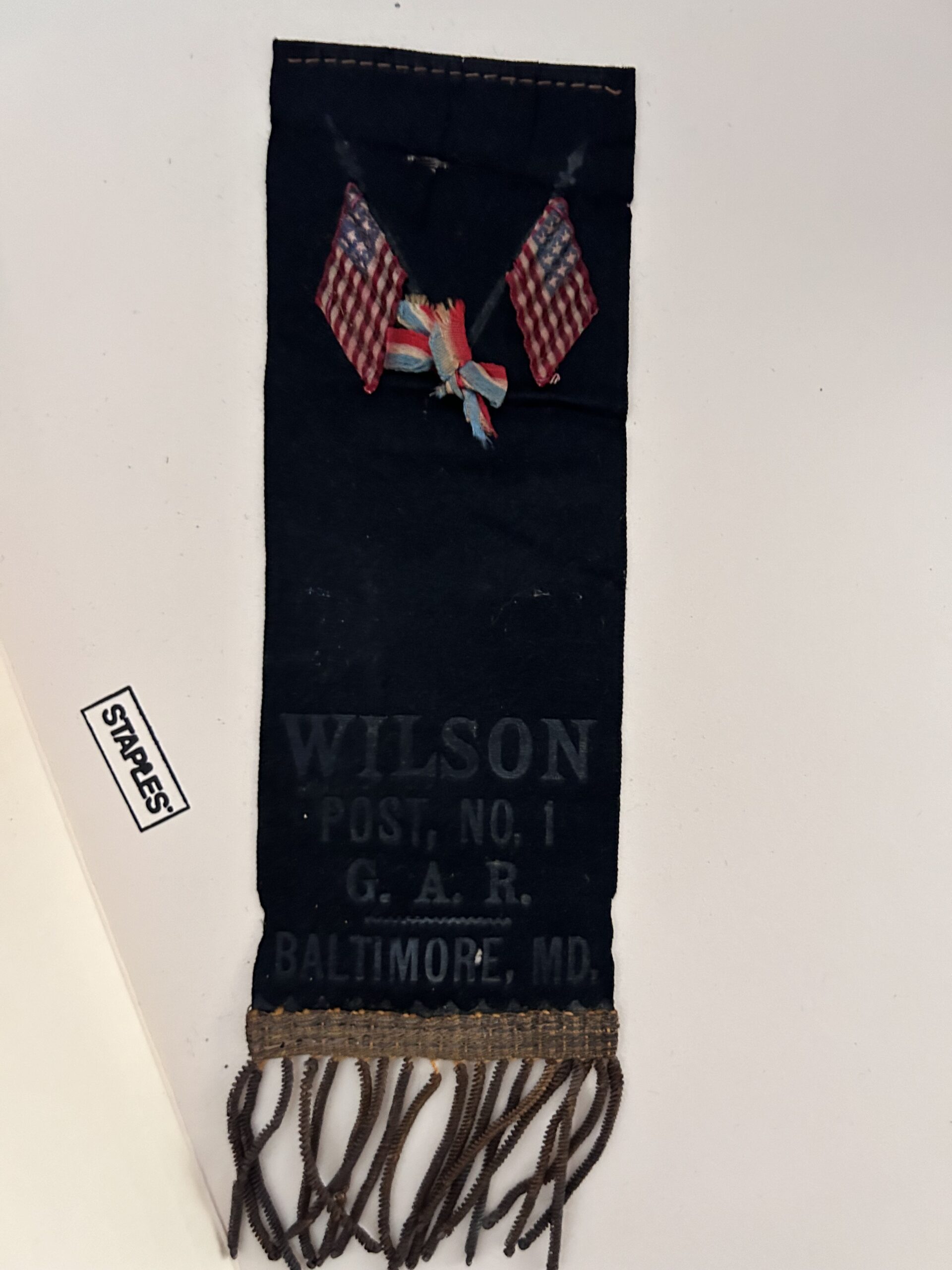
Wilson Post No. 1 Grand Army of the Republic
Mary Shellman was an honorary member of multiple Civil War veterans organizations, a rarity for a woman. This ribbon was given to her by the local chapter, Wilson Post No. 1
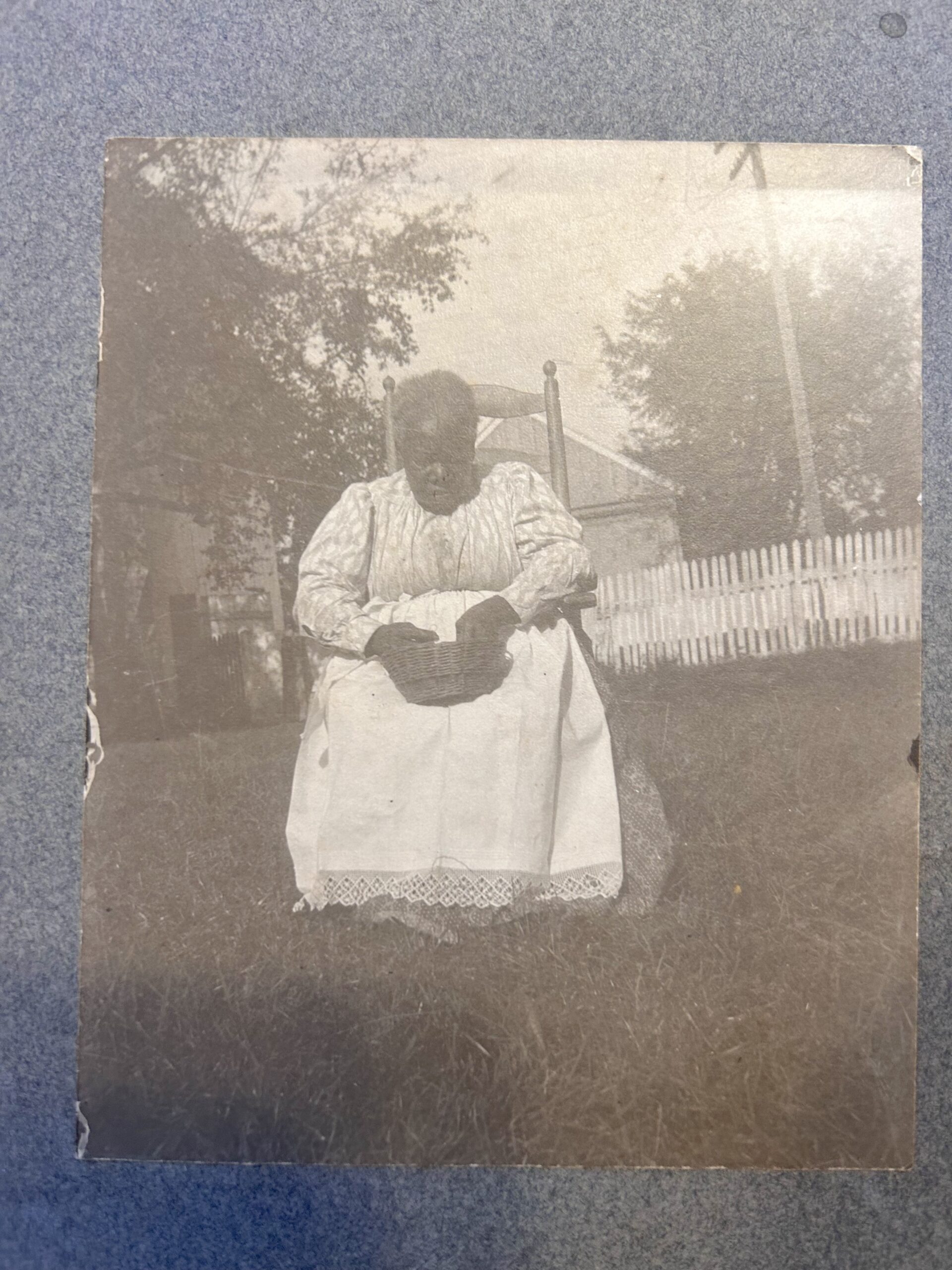
Rachel Pye, undated photograph
This photo is of Rachel Pye, the servant of a neighboring family. On the back, Paul Reese, who grew up in the Shellman household, wrote, “lifelong friend of MBS (Mary Bostwick Shellman). The words “Auntie Rachel Pye” also appear, possibly written by Mary herself. This relationship illustrates the complexities of race relations in post-Civil War Maryland. Mary was making huge strides in crossing racial divides in her community, but calling a Black woman “Aunt” or “Auntie” was a way to deny her proper respect, using a familiar term instead of addressing her as an equal.
We don’t know if Rachel was born into slavery, but many of the Black community in Westminster were, including Mary Key. Mary Key, born into slavery in 1812, lived her entire life in the Shellman house. Paul Reese, who referred to her as his “Mammy” recalled that she died in the very room where she had been born. Mary Key could read, but not write, and we have no known pictures of her.
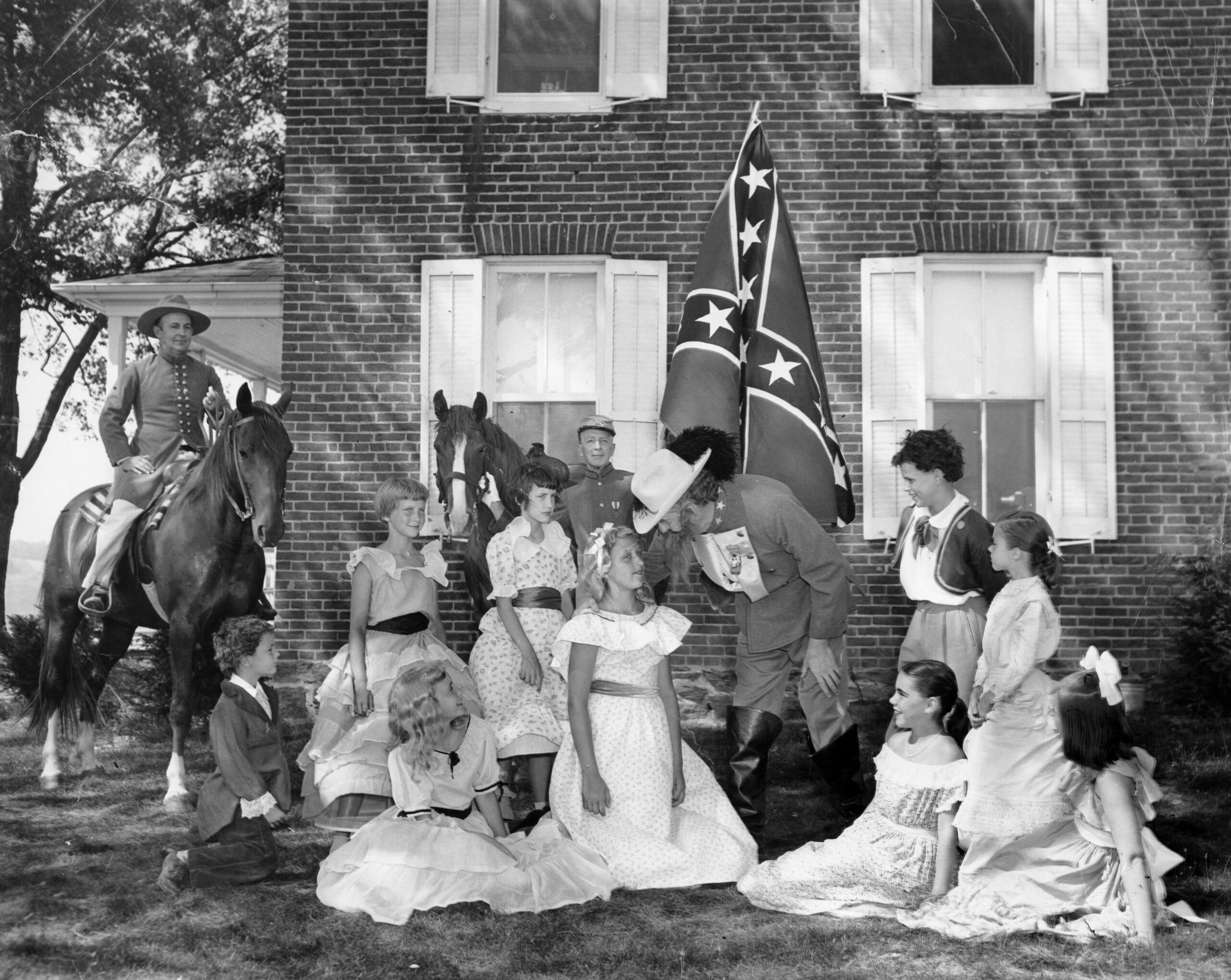
Photograph from the pageant, “The House that Jacob Built,” a play by the original curator of the Historical Society, Dorothy Elderdice, July 1957.
Mary’s community was divided during the war. When Confederate troops occupied the town in July 1864, some children cheered and others booed. When Jeb Stuart noticed she was not among those cheering, Mary recalls, he brought her on his horse, called her his “little captive” and gave her a kiss. Many historians and citizens mythologized this story in the mid 20th-century, a time when romanticized stories of the South and the Confederacy became more popular.
Listen to some of Mary Shellman's Civil War Poetry
Audio: The Unknown Soldiers' Grave
Audio: The Return of the Westminster Boys
Audio: Honor to Whom Honor is Due
SERVICE
Mary Shellman’s legacy shows that true citizenship is defined by service. She never tired of helping her community. I do not claim any great work,” she wrote, but I do feel that my labors and love for my County, my State, and my Country are not entirely lost. But I did not work for glory, I worked for results.”
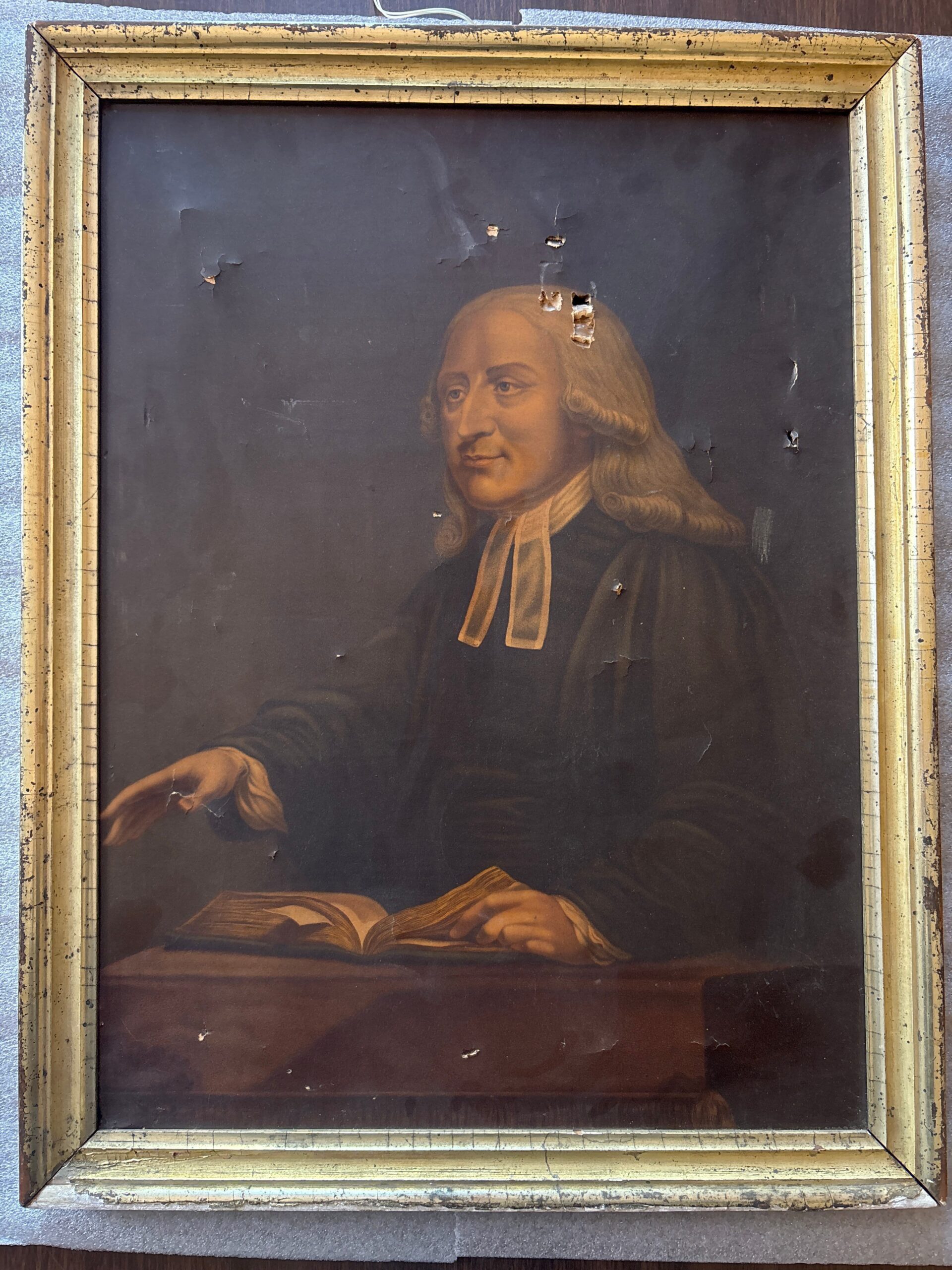
Portrait of John Wesley, undated.
This picture of John Wesley, the founder of the Methodist Church, hung over Mary’s bed her entire life. While Mary was a member of the Episcopal Church, she shared John Wesley’s value of service above all. Wesley was deeply committed to social reform, including caring for the poor, education and prison reform.
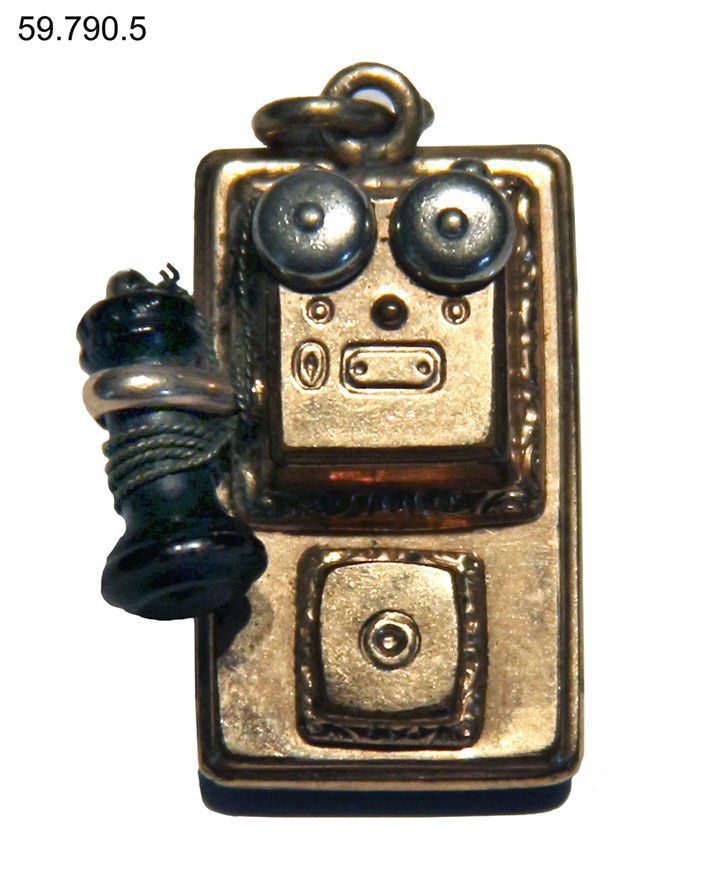
Telephone Pendant, given to Mary Bostwick Shellman by Alexander Graham Bell.
Mary Bostwick Shellman connected her community to the world by installing the first residential telephone in Carroll County, on the second floor of her home, on July 12, 1884. The next year she became the first manager of the Westminster Division of the Chesapeake and Potomac Telephone Company. In 1885, Alexander Graham Bell visited Mary at her home. Noticing the worn spot on her elbow (what she called “the badge of the telephone operator”), Bell told her she deserved a better badge and later sent her this miniature telephone pendant.
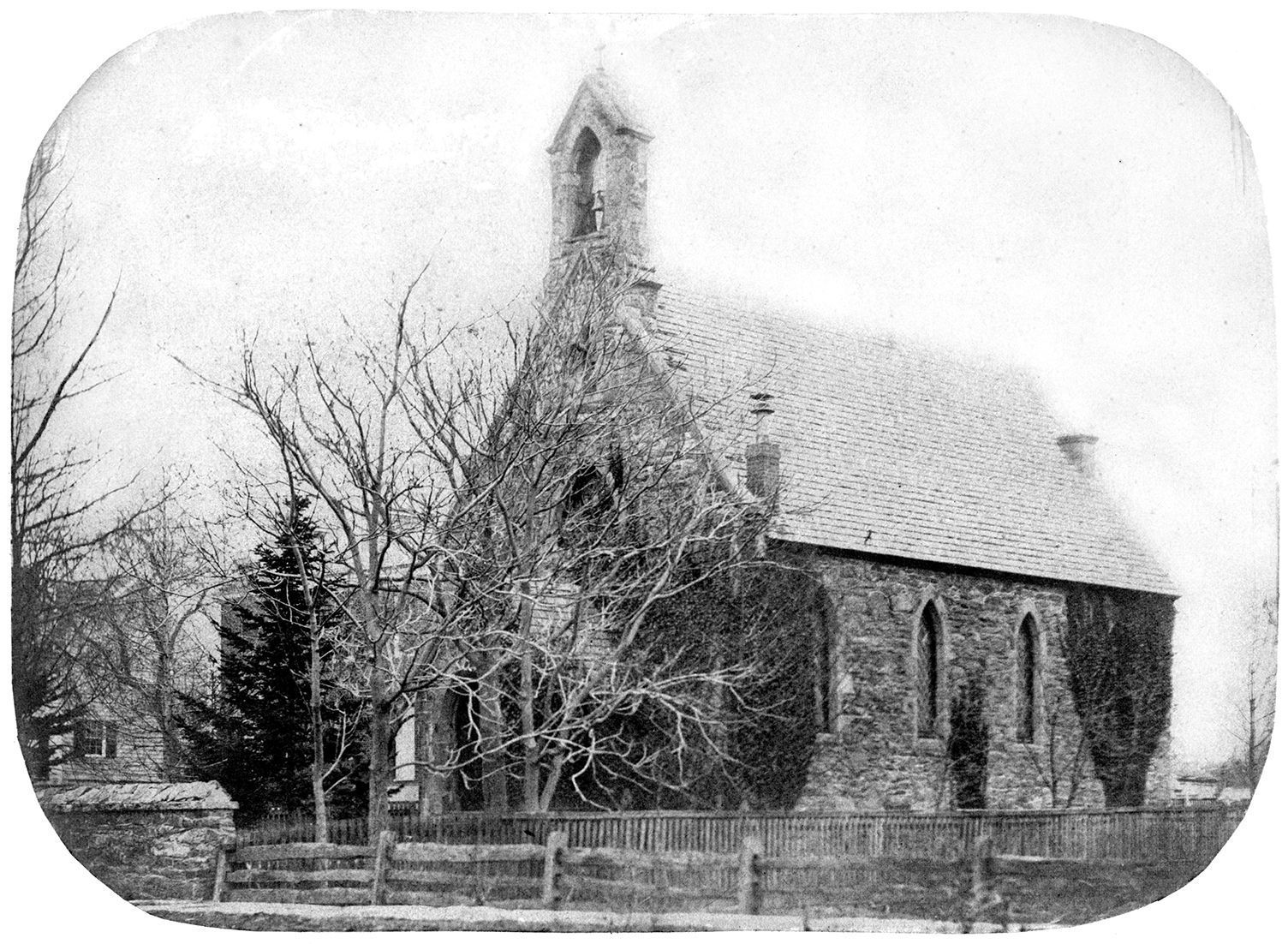
Ascension Episcopal Church, by Mary Bostwick Shellman, c. 1876.
Mary enriched her community with her art, be it poetry, music, theater or visual arts. This unique piece, made from moss, bark, twigs and pebbles, shows her church, Ascension Episcopal, or the “Stone Church,” which still stands today. This work, representing Westminster, earned international praise when it won a prize at the Centennial Exposition in Philadelphia.
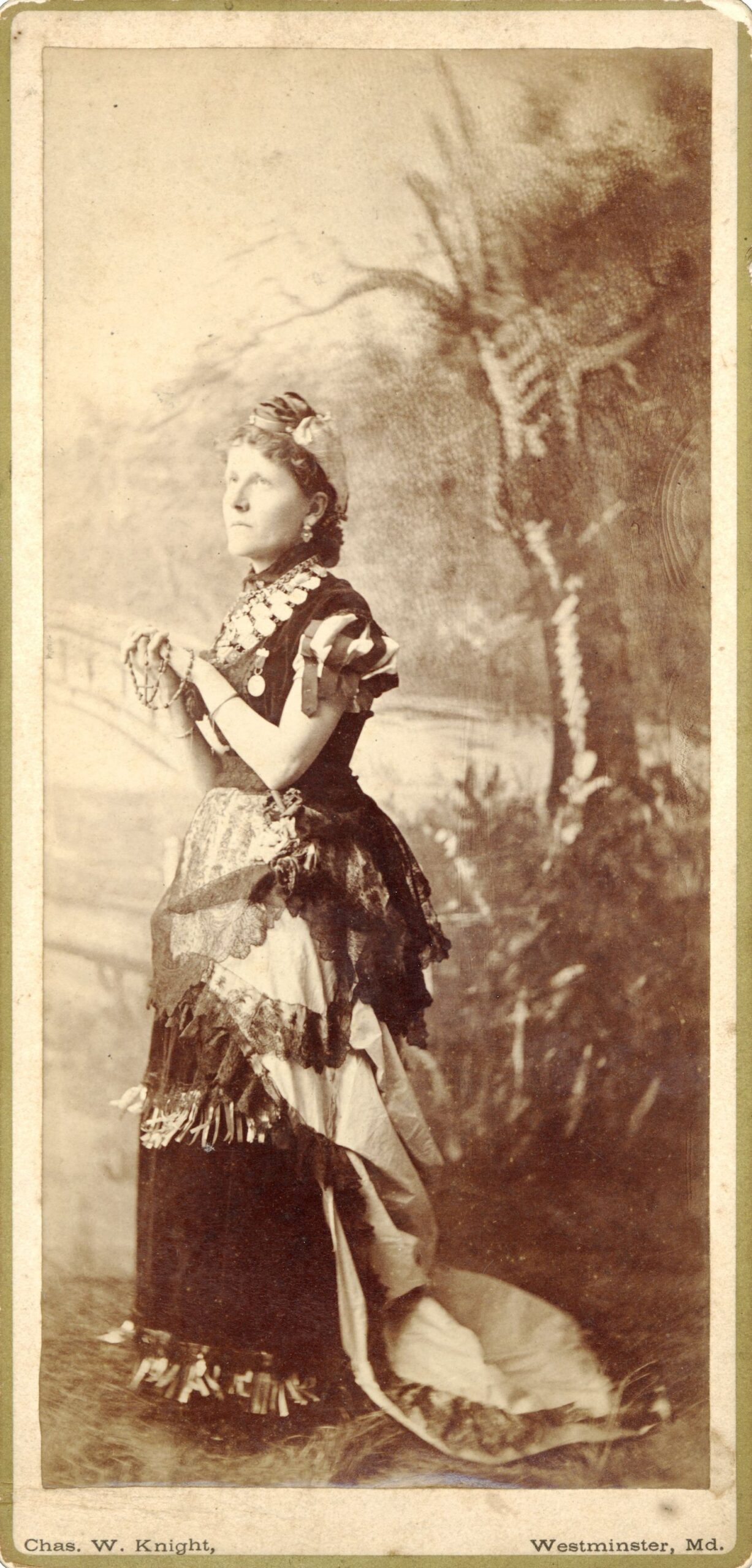
Mary Bostwick Shellman, c. 1881. Photography by Charles W. Knight
Mary was widely involved in her community arts and theater scene. She often performed on stage in costumes like this one and helped organize children’s choirs, music concerts, and more.
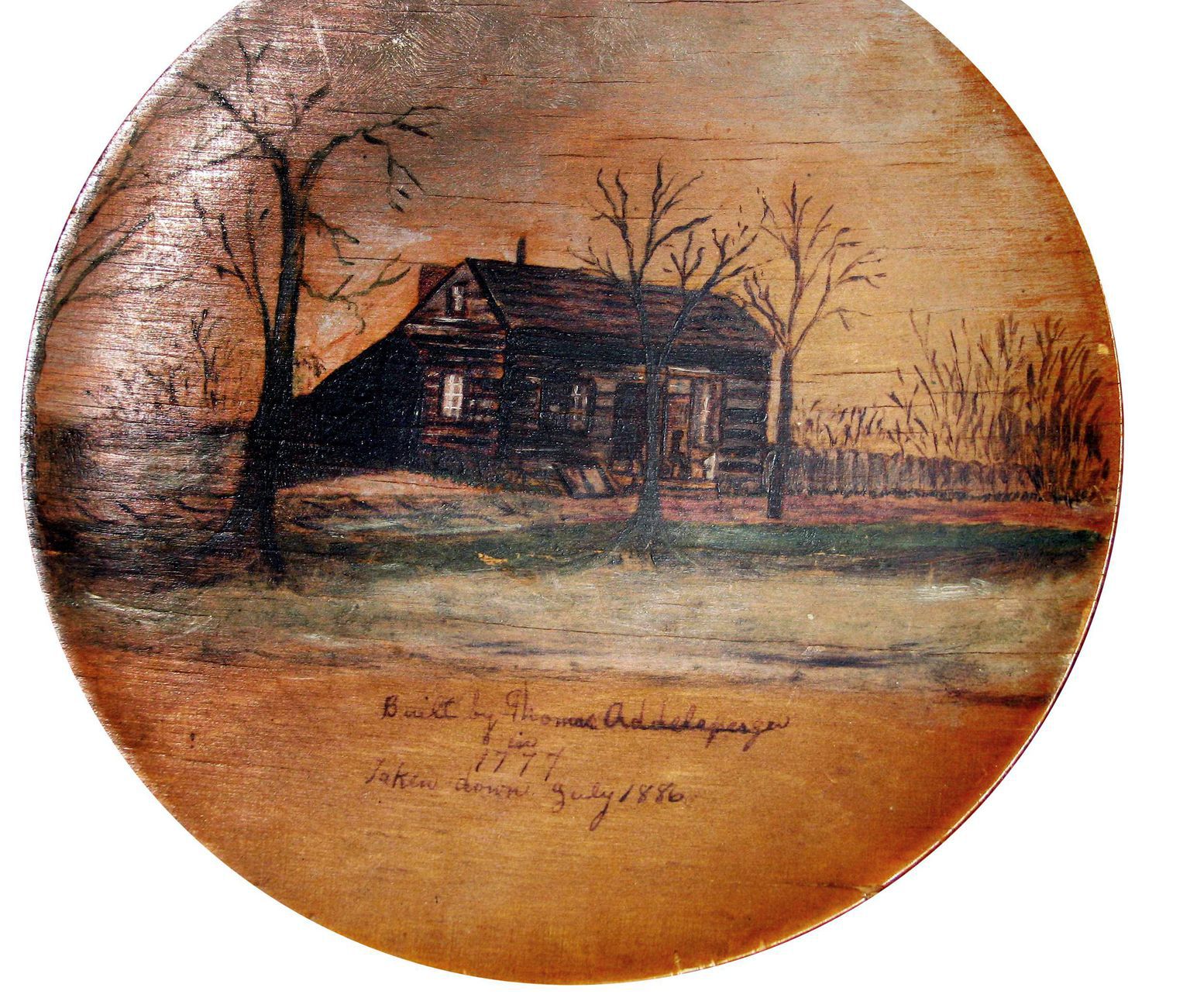
Wood plate painted with an image of Thomas Addelsperger’s 1777 cabin, painted by Mary Bostwick Shellman, c. 1886.
Mary Shellman cared about her community’s history, and celebrated it through her art, poetry and writing. She painted this plate as a gift to Elle Logue. Ella’s great-grandfather built the cabin in 1777. The cabin was taken down in July, 1886.
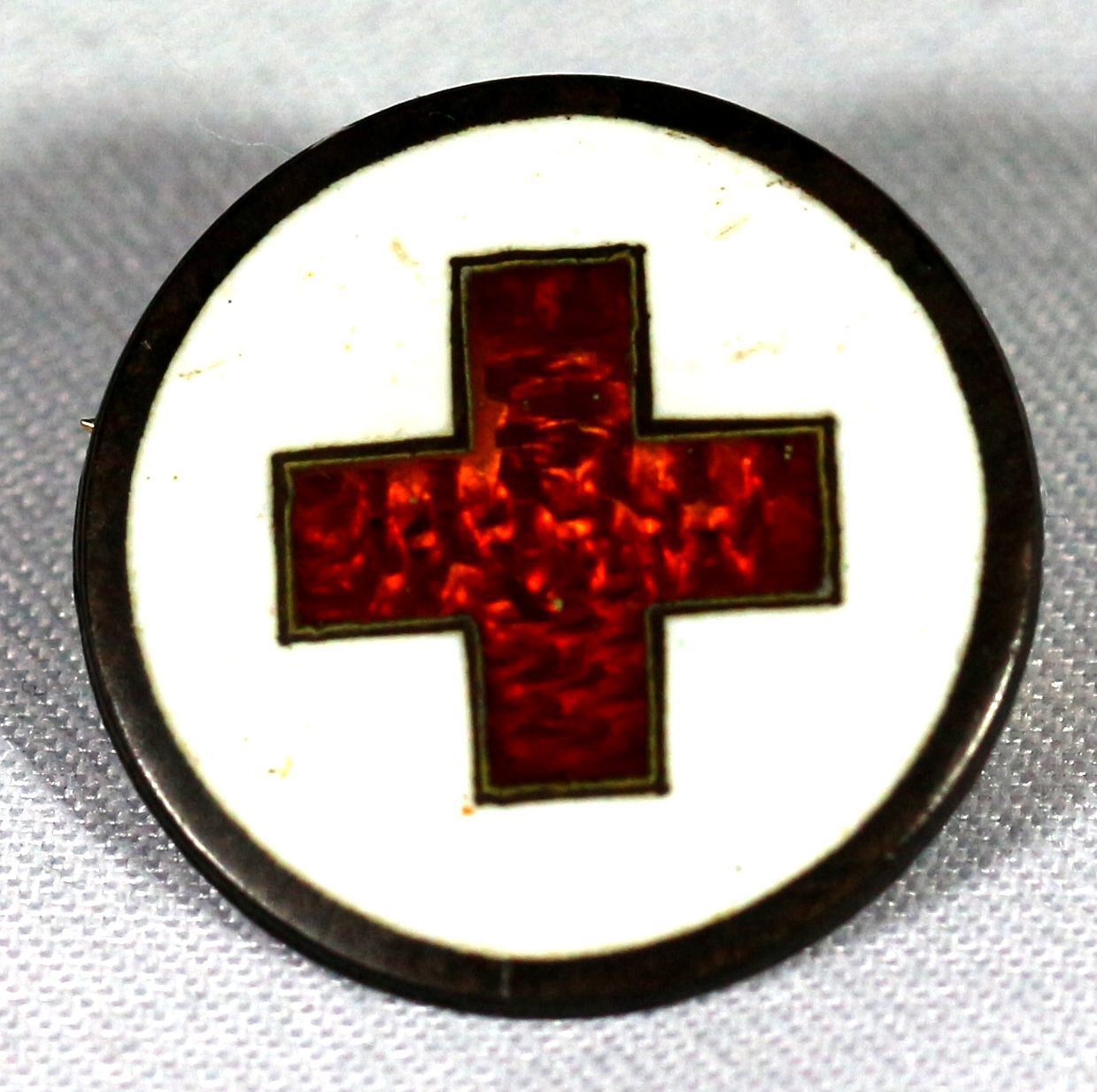
Red Cross Pin
The Johnstown Flood of 1889 caused massive destruction to the Pennsylvania town, sweeping away homes and killing over 2,000 people. The American Red Cross, led by Clara Barton, quickly mobilized to provide food, shelter, and medical care to the survivors. Mary Shellman was among those who answered the call to help. Clara Barton gave Mary this pin in recognition of her service. Today, the American Red Cross still relies on volunteers, and every year responds to over 60,000 disasters, such as fires, floods, and earthquakes.
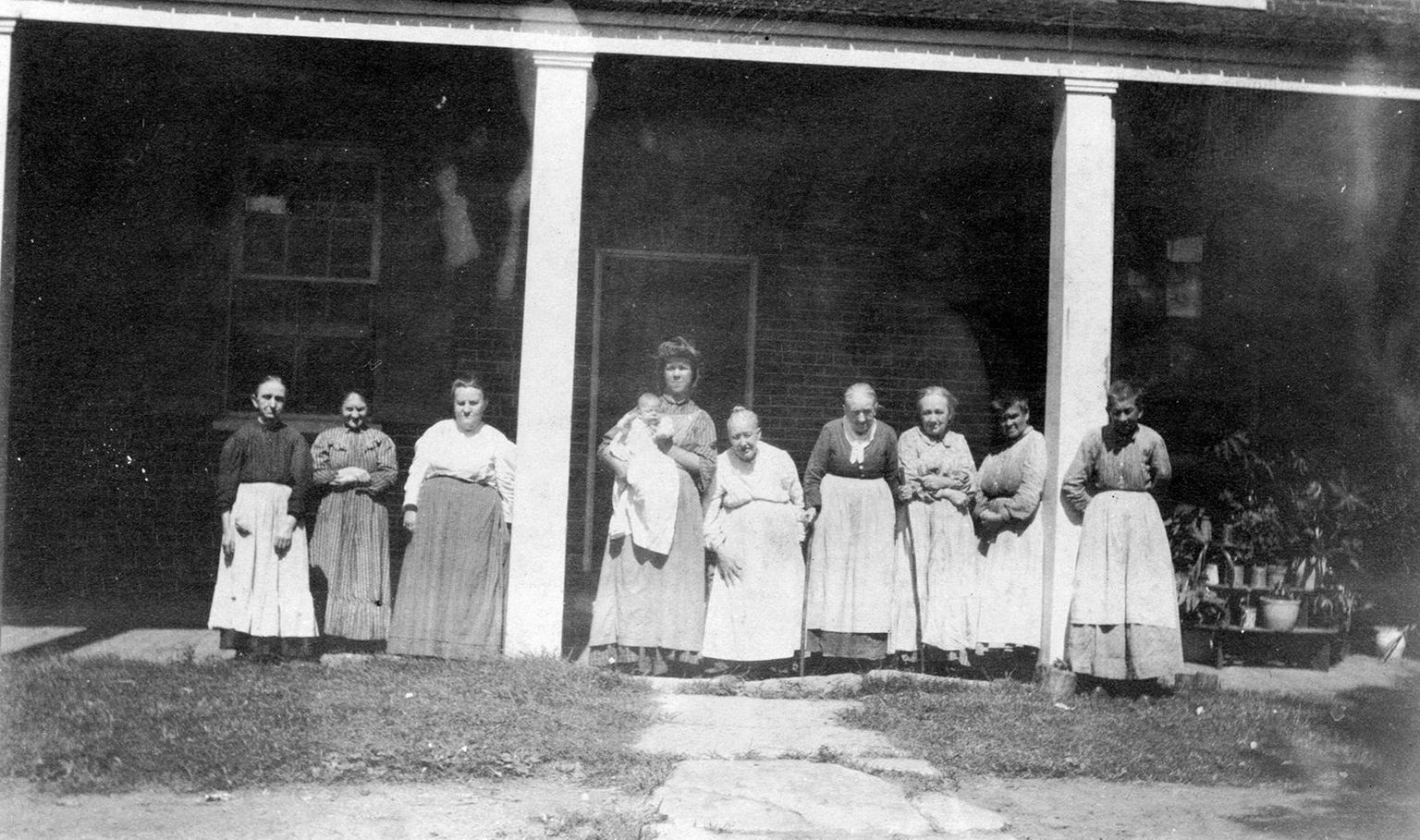
Carroll County Almshouse, undated.
One great reason why the rich, in general, have so little sympathy for the poor, is because they so seldom visit them. John Wesley. Mary Shellman, who woke each day under the portrait of John Wesley, the founder of Methodism, took his words to heart. She visited the poor in her community, especially those living at the County Almshouse, which provided housing for those in need. She and a group of volunteers worked to transform the Almshouse from what she described as “a shame and a blot on our rich, fertile county of Carroll,” into a “model institution.” This photo, showing some of the women who lived there, was part of Mary’s personal collection.
Listen to some of Mary Shellman’s Poetry:
SUFFRAGE
250 years ago, Thomas Jefferson wrote that “all men are created equal.” But it took courageous women like Mary Bostwick Shellman to fight for that promise to include women, too. As President of the Just Government League of Carroll County, Mary organized marches across the state. These marches ended in Annapolis, urging lawmakers to take action. Even after the victory, Mary didn’t stop — she turned her home into a classroom to teach new voters. She also challenged the unfair belief that women weren’t smart enough to be involved in politics. What stereotypes about women in politics and leadership do we still face today?
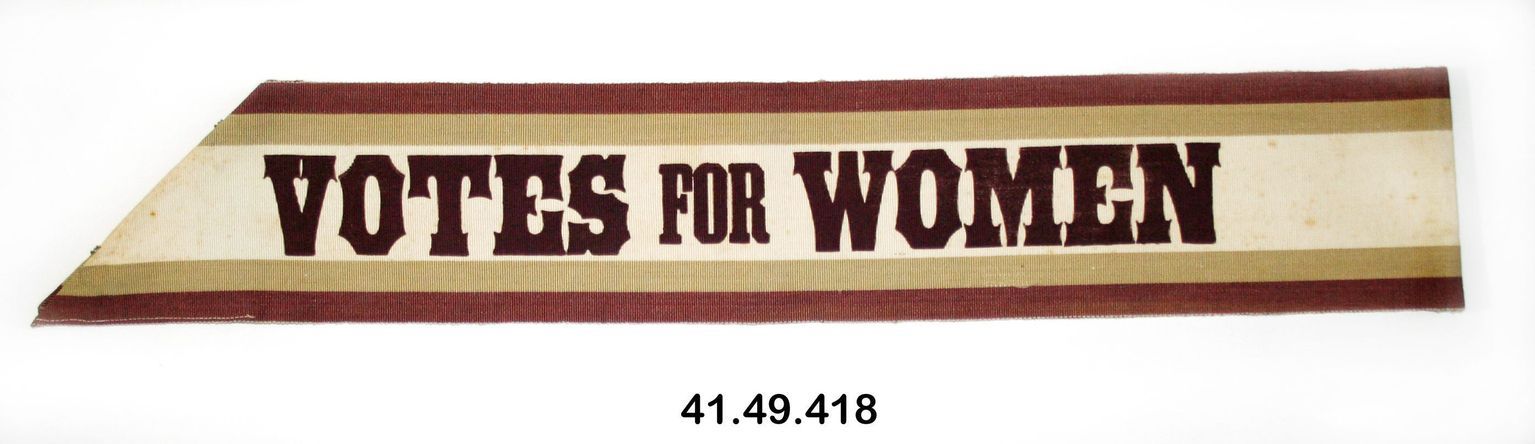
Votes for Women, Just Government League Sash
Mary wore this sash as President of the Just Government League of Carroll County, a grassroots Maryland suffrage organization. Suffragists wore sashes in bright colors to stand out at marches and rallies. The most common colors were purple, white, and yellow. These colors were not random — they had special meanings:
- Purple stood for loyalty and dignity.
- White symbolized purity.
- Yellow came from the sunflower, which was used in early suffrage campaigns, and it stood for hope and light.
The sashes helped send a strong, clear message. When women wore them, it showed they were united and proud to fight for the right to vote.
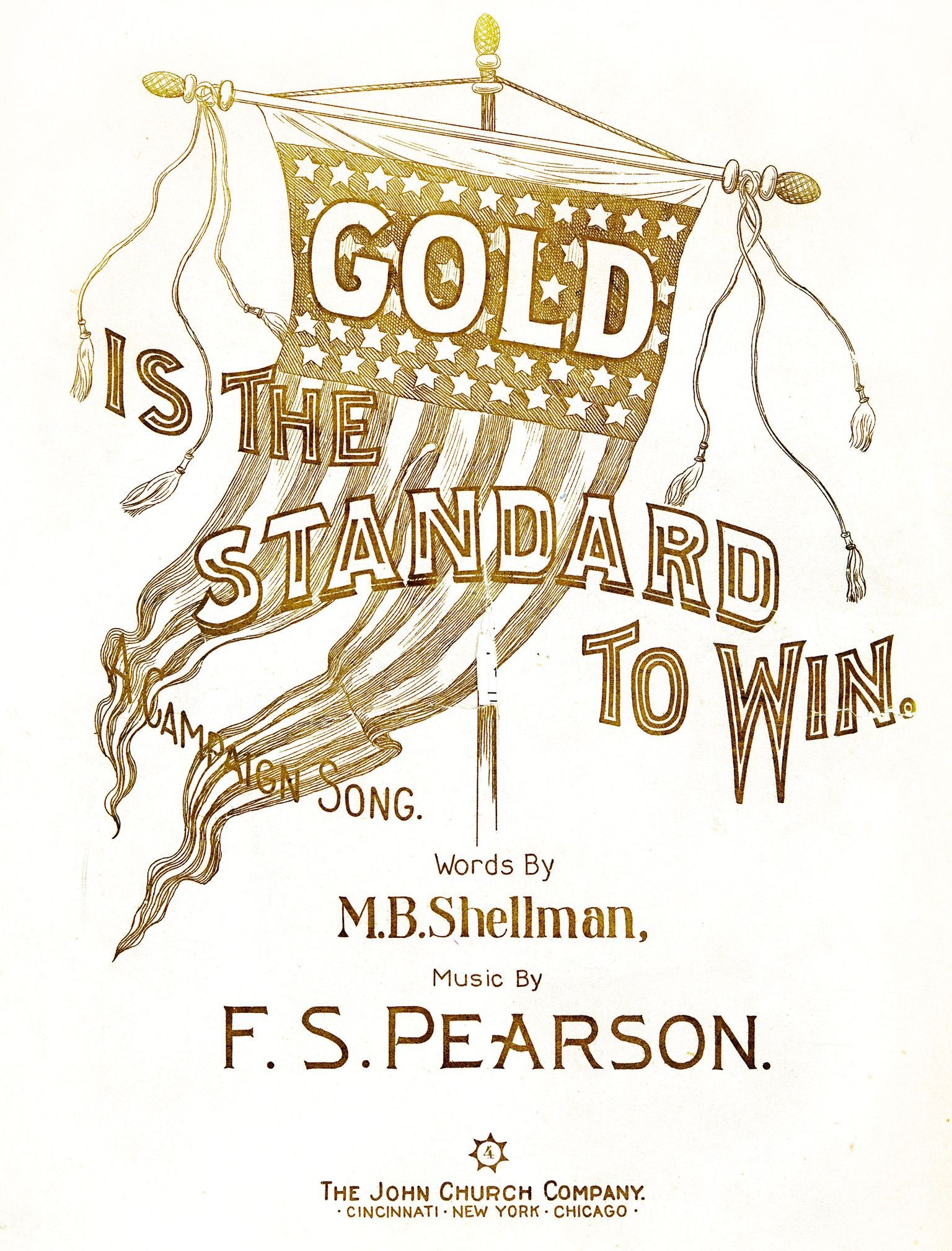
Sheet music for “Gold is the Standard to Win,” 1896
Mary wrote the lyrics and her sister, Fanny, wrote the tune to this campaign song. The song supported William McKinley and the gold standard, a big issue in the 1896 election. Supporters of gold wanted money backed by gold to keep prices stable and protect businesses and workers. The song urges voters to reject “silver” money, which many feared would cause wild swings in the economy.
Mary loved politics and even traveled to the Republican convention in Indiana. She wrote campaign songs and influenced politics, both locally and nationally, decades before she was even able to vote.
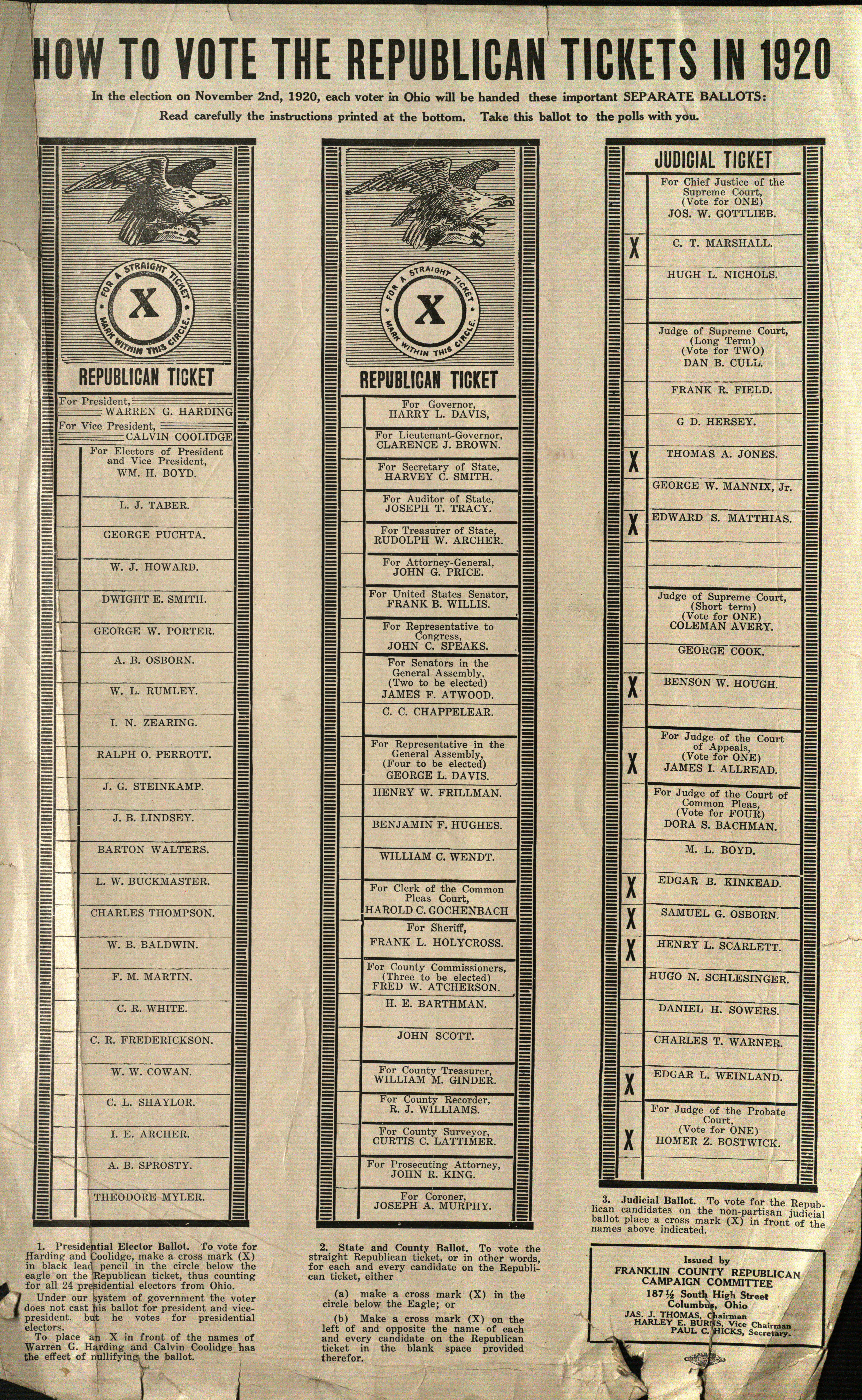
Sample Ballot, 1920
Mary Shellman used sample ballots, similar to this one from Ohio, in 1920, when she opened her home up as an “Instruction Room.” Understanding the ballot and the issues and candidates in the election helped ensure everyone could practice their constitutional rights with confidence. Today, the League of Women Voters carries on Mary’s work by publishing sample ballots, interviewing candidates, explaining ballot measures and registering voters.
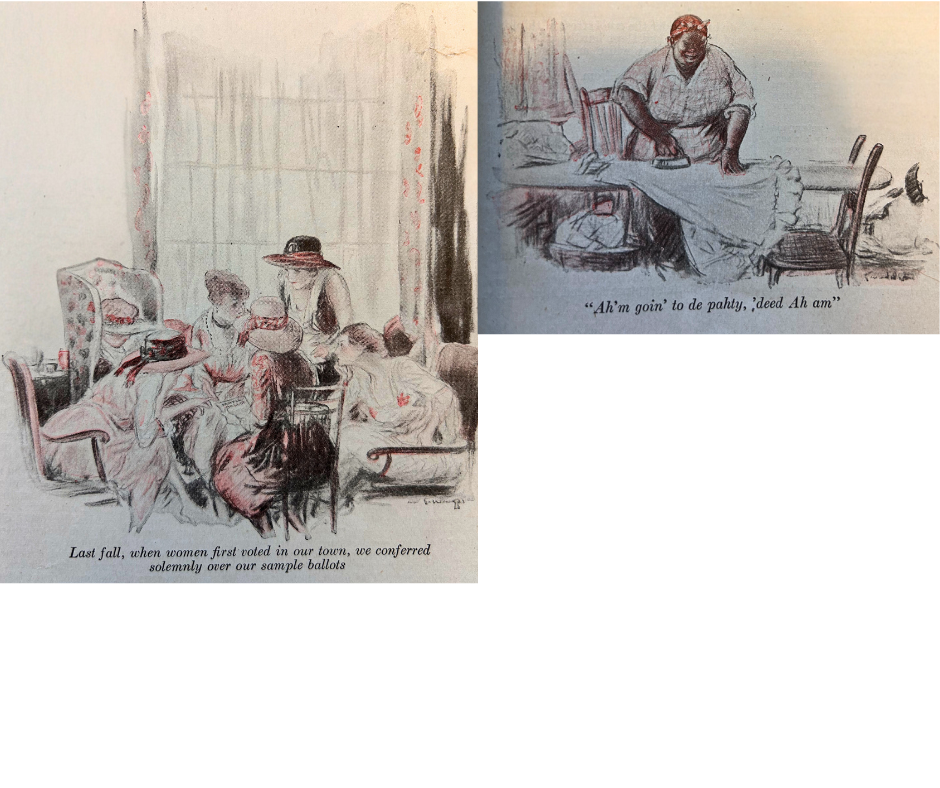
Pictures for the November 1920 issue of Woman’s Home Companion magazine.
These pictures are from the November 1920 issue of Woman’s Home Companion magazine. They show a group of women in a living room, “conferring solemnly over” their sample ballots. But on the same page, there is also a racist drawing of a Black servant. This shows the harder truth about the fight for women’s right to vote. Some people who did not want women to vote used the idea of Black women voting as an argument against it. Because of this, many White suffragists distanced themselves from Black women. Still, Black women kept fighting for their rights. In 1920, they voted alongside White women.
Listen to some of Mary Shellman’s Poetry:
Audio: An American Boy to His Father
Audio: Untitled WWI Poem, c 1918
How can I help my community?
Has the story of Mary’s life inspired you to give back to your community?
Here are some local organizations with connections to Mary’s legacy. Click the links to learn more.
- League of Women Voters American Red Cross
- Scouting America (Boys Scouts USA)
- The American Legion
- Veterans of Foreign Wars
- Historical Society of Carroll County
- Carroll County Farm Museum (site of the Almshouse)
- Maryland Food Bank
- Dream Builders Maryland (a partner charity of Ascension Episcopal)
Funding for the Mary Shellman Civil War to Suffrage exhibit provided by a State of Maryland grant from the Heart of the Civil War Heritage Area
Audio Credits
Recorded at the Peabody Recording Arts & Sciences Studio in coordination with Jacquelyn P. Slade Music.
- Maggie Kinney, Soprano
- Jacquelyn P. Slade, Alto
- Timothy Moss, Tenor
- Roy Li, Bass
- Rockwell Shapiro, Piano